

The 5Cs Model is an evidence-based diagnostic system that helps leaders uncover the root causes behind culture and performance challenges so they can make targeted, measurable improvements across teams and organizations.
Traditional culture and engagement tools often describe what people are experiencing, but not why. Rather than relying on assumptions, anecdotes, or surface-level metrics, the 5Cs helps leaders understand not just what people are experiencing, but why—revealing the underlying dynamics shaping trust, communication, collaboration, engagement, and organizational performance.
Contribution reflects how team actions align with the organization's core values and goals. It incorporates the impact that the team and organization has on the broader community, the existence and acceptance of key core values that drive actions and discussions, the recognition of meaning and mattering and their importance to people thriving, and creating company-wide alignment on a shared vision that provides direction and purpose.
Collaboration measures how well people support each other and hold each other accountable for their performance. It is reflected through the existence of strong team support, commitment to accountability in a fair and consistent way, and a drive toward excellence in team and individual performance.
Clarity in a team and organization refers to how clear people are in terms of their responsibilities, the processes they follow, and the overarching goals. Clarity can be achieved through delineating roles and responsibilities and their associated expectations, clearly defining workflows and processes, and creating and constantly striving toward shared goals.
Candid Communication is about straightforward, unambiguous discourse among all members of the team and organization. It can be fostered through psychological safety, which is seen through people's willingness to take interpersonal risk, the important two-way processes of healthy conflict and feedback, transparency and openness of information sharing, and ideas meritocracy, which reflects the willingness of leaders and managers to listen to ideas.
Connection within a team and organization reflects the ties that members feel with the entity's ethos and with their colleagues. Connection encapsulates a deep sense of mutual trust that goes beyond mere association or involvement, and well-being that includes the physical, mental, and emotional health of members of the team and organization.












You’ll gain actionable insights into what’s working, what’s missing, and where to focus next. Whether you’re leading a small leadership team or a complex organization, the assessment provides a clear starting point for meaningful improvement.
Traditional tools often tell leaders what people are experiencing. They rarely reveal why.
The 5Cs Model was developed through rigorous research in organizational psychology and refined through years of application with leaders, teams, and organizations across industries. This transforms team and organizational culture from something leaders feel into something they can understand, measure, and improve.
of satisfaction with organizational culture can be explained by the 5Cs.

is the strongest predictor of performance.
of overall job satisfaction is influenced by the 5Cs.

is the strongest predictor of job satisfaction.
Learn how organizations use the 5Cs to strengthen culture, improve leadership effectiveness, and drive sustainable performance.

Whether you’re navigating executive growth, leadership team effectiveness, or organizational change, we’ll help you identify the right starting point.
You’re in!
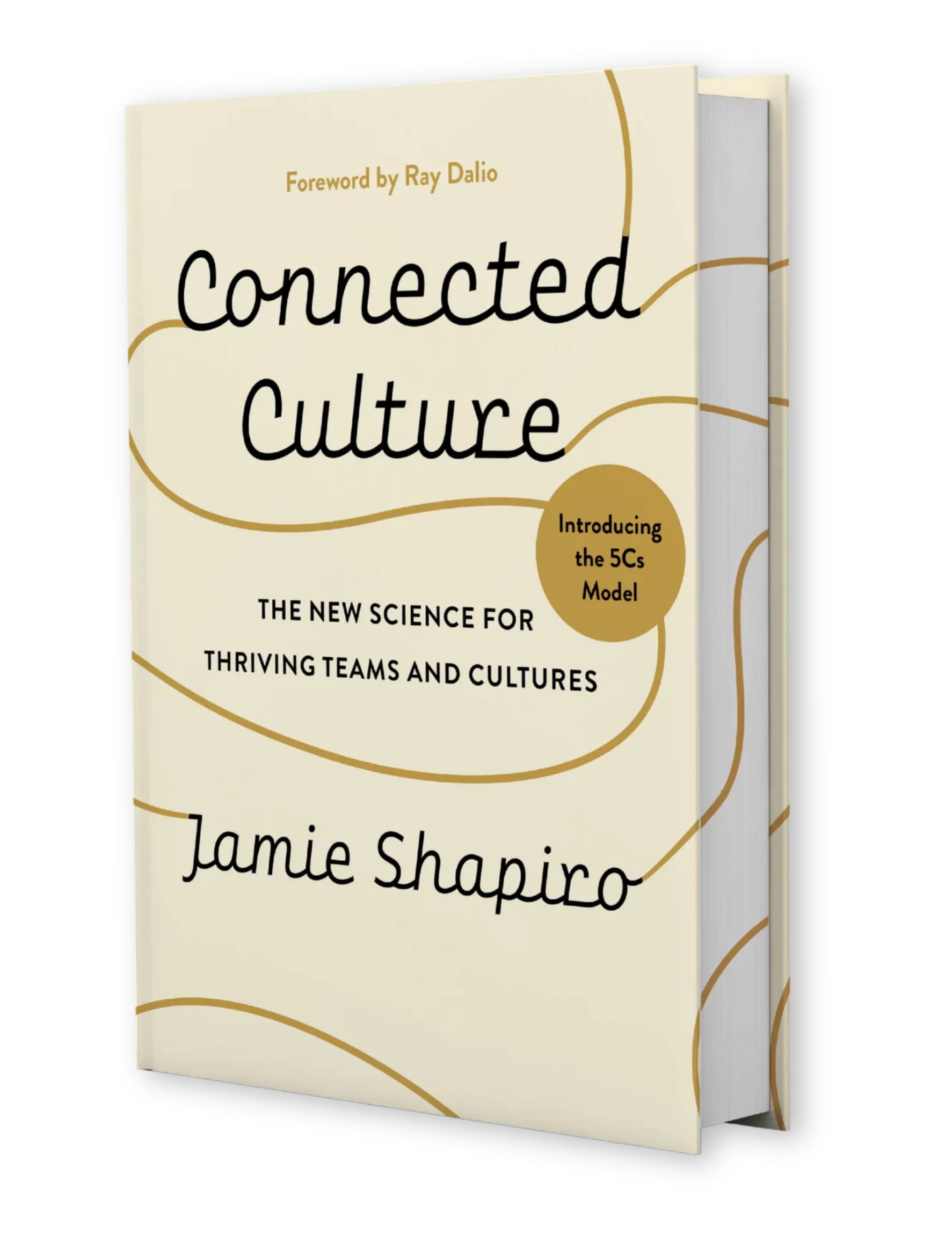
Discover the research-backed principles behind thriving teams and organizational cultures—and get an introduction to the 5Cs Model before you read the full book.
By downloading this chapter, you’ll also receive occasional leadership insights and research updates from Connected EC. You may unsubscribe at any time.