What’s the right time to invest in my team’s culture?
Should we wait until the team is more stable first?
With so many competing demands, how could we possibly have time for team culture?
I regularly hear these types of questions from executives and CEOs.
While well intentioned, such questions are based on the assumption that there is an optimal time to invest in the team culture: when the team is solidified.
In actuality, teams are rarely, if ever, in a static state. There isn’t a “right time” to invest in team connection and dynamics. Teams are often dealing with some level of flux with people leaving, joining, shifting dynamics, or getting integrated.
Executives tend to be concerned that if they invest while the team is in transition, then the work will be lost. They will need to start over. New leaders won’t get the benefit of the initial investment.
The truth is the work leaders do to strengthen team culture pays dividends both ways. It equips current members to carry the message forward and gives new members clarity on how to integrate into it.
The best executive teams have a culture strong enough to outlast individual transitions. A strong team benefits new executive members as they understand the team dynamics and feel immediately supported. This can make a huge difference in how quickly they can have an impact.
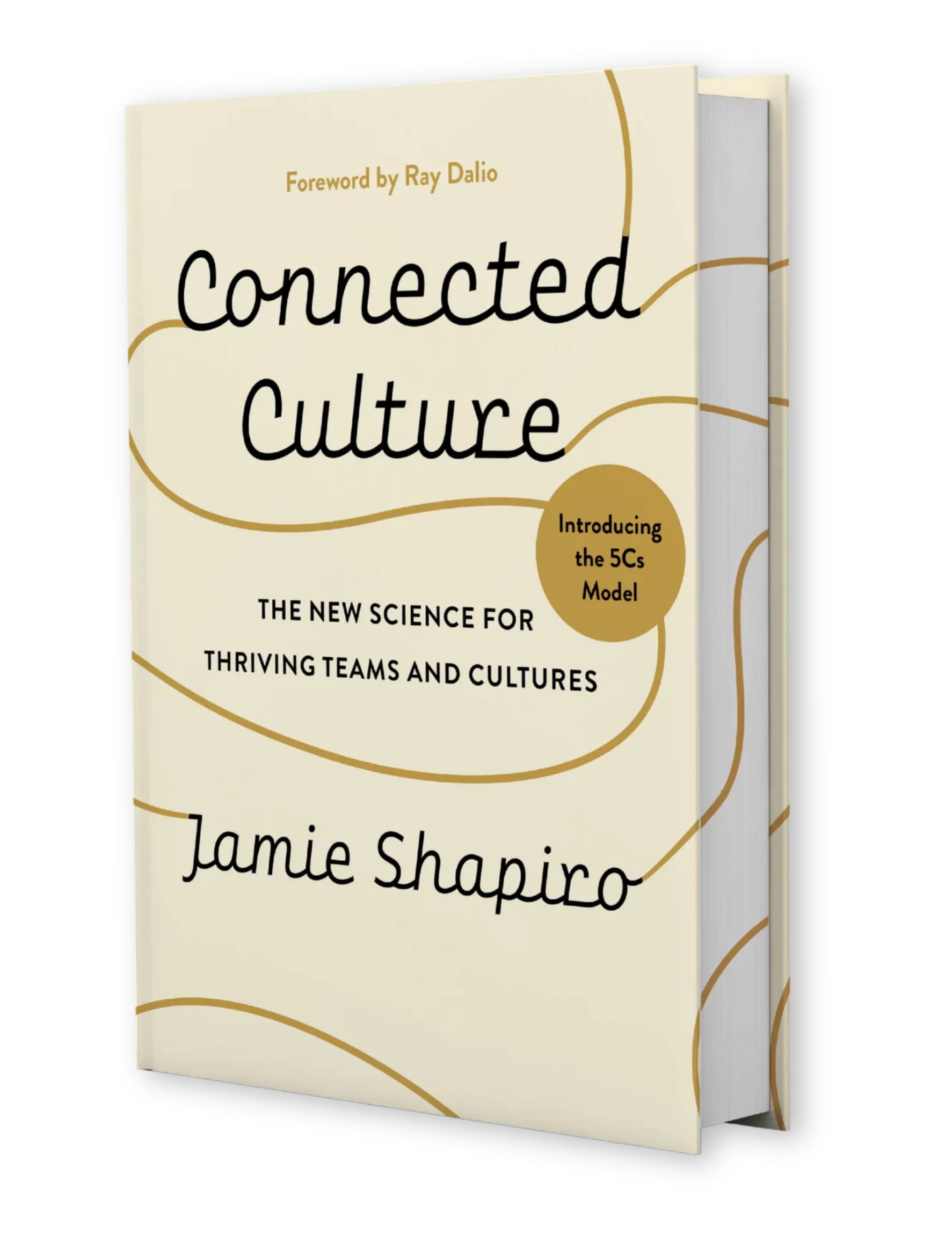
A cohesive team is the result of continually investing in the team culture. Connection, one of the 5Cs in our model for high performing teams and thriving cultures, is at the heart. When executive teams have a strong level of connection with each other, built on trust and care, it is foundational to reaching their full potential.
Executive leadership teams vastly underestimate the impact seamlessly working together has on the organization.
The Impact of an Executive Team Seamlessly Working Together
Picture the executive team sitting side-by-side on a panel in front of employees during a town-hall style meeting.
How the C-Suite shows up with each other and interacts impacts the culture of the organization.
If the executive team is fractured, they show up disconnected. This looks like:
- Disjointed communication where each leader speaks in isolation
- An undercurrent of competition or guardedness
- Interrupting each other or leaving awkward silences
- Lack of cohesiveness, with fragmented messages
If the executive team is strong, they show up connected. This looks like:
- Seamless communication, where leaders build off one another
- Display of genuine trust and connection
- Dialogue flows with ease, including laughter and levity
- Team cohesiveness, with messages aligning
This example is one snapshot of how the C-Suite influences the organization. A dysfunctional C-Suite creates a dysfunctional organization. Everyone is out for themselves and trying to claim their territory in the organization.
Alternatively, when the senior leadership teams work together seamlessly, it builds a level of confidence in the organization far greater than anyone can imagine. A connected C-Suite becomes the anchor for the organization, connecting the entire organization to a shared purpose.
How leadership teams can invest in working together
These strategies can apply to all levels of leadership teams, including the C-Suite.
1.Build awareness of individual and team preferences
Many teams operate on assumptions and unspoken norms. One reason this happens is because the team hasn’t taken the time to understand how everyone works most effectively. Sadly, many leaders also lack awareness of their own preferences. This can lead to missing opportunities to truly leverage one another.
Building awareness begins with understanding yourself: your work preferences, communication style, energy patterns and individual strengths. Then, it extends to understanding the same in others.
Awareness is most powerful when it is used to shape how teams work together.
Teams can take the evidence-based PrinciplesUs personality assessment to build a shared understanding of their collective strengths, preferences, and opportunities for growth.
2. Create space to focus on the how
Leadership teams tend to overemphasize “what” they produce and minimize “how” the work gets done. Instead, strong teams carve out space in meetings to focus on the “how,” which is foundational for team connection and dynamics.
How the work gets done includes: how we collaborate, communicate, interact and complete work.
To create a strong team culture, ask questions like:
- How do we work best together?
- What’s working well? What do we need to improve to be more effective?
- How do we communicate most effectively?
- How can we build a healthy team culture?
- How can we leverage everyone’s strengths across the team?
When teams focus on how they work together, they create intentional team culture instead of an accidental one.
3. Connect through sharing your journey
Developing a deeper team connection comes from understanding what shaped us, not simply how we work today. Who we are as a leader today is formed by pivotal career moments, challenges, our values, and more.
When teams share their life or career journeys, it not only reveals their accomplishments, it illuminates each person’s perspectives and where they came from.
Sharing our stories allows leaders to see what they each bring as a leader and why they lead the way they do.
Ultimately, a strong executive team better serves the organization and customer. Instead of executives staying siloed in their roles, they operate with an enterprise mindset. Alignment at the top ripples throughout to unlock the full potential of the organization.
To go deeper on team cohesion and dynamics, check out the 5Cs tool
The 5Cs tool is our proven evidence-based model, in partnership with PrinciplesUs, for organizations to measure, evaluate and improve team cohesion and organizational culture. Explore the 5Cs model at Connected EC and the 5Cs tool at PrinciplesUS.