We’ve all had interactions with colleagues or leaders in the workplace where we leave feeling exhausted and depleted. We have so much less energy afterwards but may not have realized why.
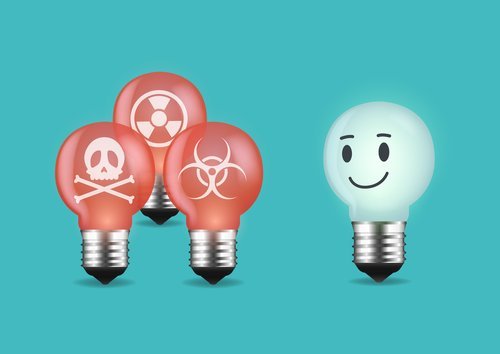
There is a form of toxic leadership that literally sucks the positive energetic resources from the individuals they interact with. Instead of walking away energized or neutral, individuals leave feeling drained from the interaction. Their energy has been physically, emotionally, and psychologically depleted.
My research builds on a relatively new understanding of this form of toxic leadership, which Dr. Markus Ebner and Dr. Kim Cameron, two of the leading experts on the topic of Positive Leadership, have called Energy Vampires. Energy or vitality vampires are a form of narcissistic leadership. Narcissistic leaders have a grandiose sense of self-worth with continual needs for affirmation and admiration.
Interactions really can really deplete your energy. It’s not a figment of your imagination.
What are common traits of Vitality Vampires? (Adapted from Why Positive Leadership is a Good Remedy Against Energy Vampires)
- They don’t care about anyone but themselves.
- They criticize or belittle others.
- They are driven by making themselves look good.
- They are not authentic.
- They create problems or mostly see obstacles.
My second vitality study uncovered the dark side of vitality. When a leader is high in vitality and chooses not to share their energy with others, at the extreme, they are perceived not only to negatively energize others, but also as draining, discouraging or demoralizing them. These leaders potentially utilize the energy they take from others to replenish their own vitality.
Vitality Vampires are the opposite of Positive Leaders, who positively energize, encourage, and empower others in the workplace to create extraordinary results for the organization. Such leaders contrast what I consider the essence of leadership: truly owning your capacity to inspire others and help them be at their best.
Toxic Leadership and The Great Resignation
Toxic leaders can be anywhere and at any leadership level of an organization. Unfortunately, some organizations tolerate or even promote toxic leadership behaviors.
In addition to toxic cultures being a known significant contributor to the Great Resignation, toxic leadership is an important factor that often gets less attention.
Toxic leaders in particular contribute to the reason so many people are quitting their jobs. (INC: Why are Workers Really Quitting?) Leaders have a significant impact on the employee’s experience at work. Gallup has found on an annual basis in their State of the Workplace report that: people leave bad leaders, not organizations.
Toxic leaders can remain in organizations, including ones with strong cultures, for years. Why is that when they can be so damaging to those around them?
Some, according to HBR, are toxic rock stars: “Bullies who evade consequences because they deliver results.” (HBR: Leaders, Stop Rewarding Toxic Rock Stars) They destroy the culture and the workplace experience for the people around them. However, because they are high performers, delivering strong results, they remain in the organization.
Other toxic leaders, according to another HBR article, are manipulative. They “abuse employees but act nice afterwards.” (HBR: Stop Making Excuses for Toxic Bosses) They care so much about their social image so they act as if they want to make amends for their abusive behavior, when in reality, they want to make themselves look good. By asking for forgiveness afterwards, they can get a pass to continue their toxic behavior.
How to protect yourself against vitality vampires:
Interacting with vitality vampires is something we are all faced with. We can choose how we respond to vitality vampires to best protect ourselves and our energy.
1. Check-in with your own energy resources
To manage your energy, consciously check-in with your energy resources after interactions. Was the interaction energizing, neutral or draining? Start to identify interactions that regularly deplete your energy. It’s common some interactions with the same person will be energizing while others are depleting. The difference with vitality vampires is that the interactions consistently drain you.
2. Care for your well-being and vitality
Caring for your own well-being and vitality every day ensures you have an abundance of energy to respond to all of life’s demands. You then have the reserves to give to challenging situations such as interacting with vitality vampires.
When you are low in vitality and try to give energy you don’t have, it can completely exhaust you. When you have an abundance of vitality, it takes some additional resources, but you have reserves.
To cultivate your vitality, focus on what replenishes your own physical, psychological, and emotional vitality every day. What fills you up?
3. Set and hold boundaries
When you are faced with a vitality vampire in the workplace, set boundaries to best protect yourself and manage your energy. What’s in your control to set boundaries around?
Boundaries could include:
- The amount time you spend with them
- How much you work with or interact with them
- The ways in which you communicate with them
4. Determine the least draining communication strategies
Determine the least draining communication strategies to interact with a vitality vampire that allow you to get the work accomplished.
Communication strategies could include:
- Communicate using email or phone calls as alternatives to face-to-face communications if those are the most draining.
- Use collaborative platforms such as Slack or Google Docs to create a collaborative workspace where you don’t need to interact one-on-one as much.
- Pause the conversation if it’s completely draining you. A comment such as: “I think this conversation would be better served if I have some space and time to process this topic” can allow you to come back to the conversation later.
- Stay curious and ask curious, open-ended questions during a conversation. Curious questions invite deep thinking and exploration. It’s a way to slow down the conversation and allow yourself space to think before responding.
Given leaders are continually faced with interacting with many colleagues and stakeholders inside and outside of their organization, there is potential of being exposed to vitality vampires. Therefore, it’s important to bring attention to the additional drain vitality vampires can pose to our vitality and how we can protect ourselves.