Why many culture initiatives stall—and what leaders are missing
Culture is widely recognized as one of the most powerful drivers of organizational performance. Yet for many leaders, it remains one of the hardest aspects of leadership to improve with confidence.
When teams struggle, the symptoms are often clear: trust weakens, communication becomes filtered, priorities blur, and collaboration slows. Leaders sense something isn’t working, but identifying the underlying cause can feel surprisingly difficult.
In response, organizations often try a series of well-intentioned solutions—leadership offsites, values initiatives, engagement surveys, or communication training. While each may offer temporary momentum, the results rarely last. Progress fragments, teams drift back into old patterns, and leaders are left wondering why meaningful change remains so elusive.
The core issue is rarely a lack of effort. More often, it is a lack of visibility into the system that actually drives culture.
The problem leaders can’t see
Many organizations rely heavily on engagement surveys to understand culture. These tools can provide helpful signals, but they typically measure outcomes rather than causes.
Engagement scores tell leaders how people feel. They rarely explain why those feelings exist or which behaviors inside the organization are shaping them.
Without understanding those drivers, leaders often find themselves chasing symptoms rather than addressing the underlying dynamics that influence performance and well-being.
This gap between awareness and action is where most culture initiatives begin to stall.
From abstract concept to measurable system
After years of research and work with executive teams, we began to see the same patterns emerging across organizations. The teams that sustained high performance shared a common set of behavioral dynamics that reinforced one another.
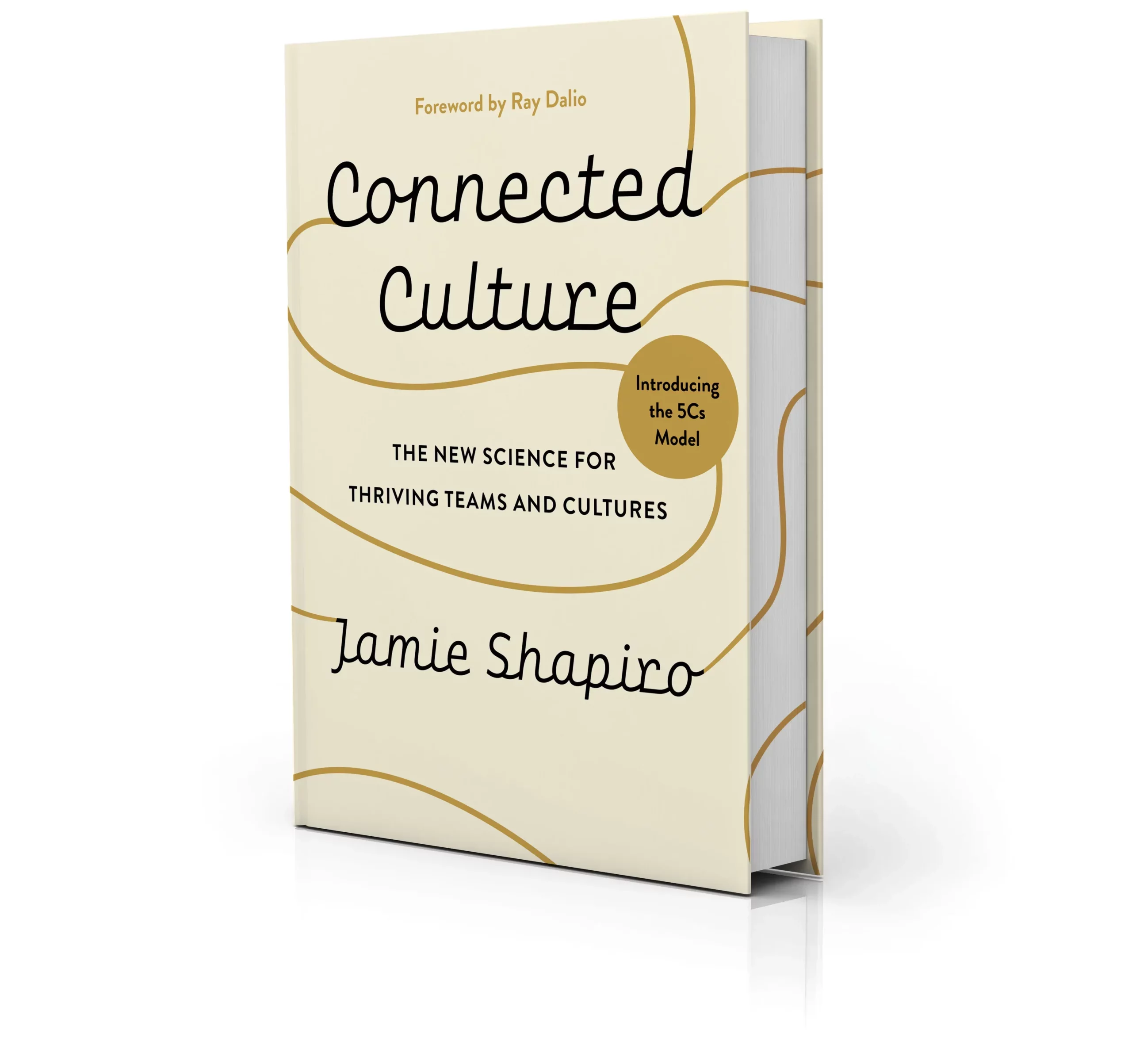
This insight led to the development of the 5Cs Model, an evidence-based framework for understanding and improving team cohesion and organizational culture.. The model identifies five interconnected elements that influence how teams operate and how culture evolves inside organizations.
Together, these elements provide leaders with a clearer way to understand what is happening beneath the surface of their teams—and where to focus their attention.
Rather than treating culture as something abstract or intuitive, the model helps leaders approach it as a system that can be observed, measured, and strengthened intentionally.
Why this matters now
Organizations today operate in environments defined by complexity, speed, and constant change. In these conditions, alignment at the top of the organization becomes one of the most powerful advantages a leadership team can create.
When leaders understand the dynamics shaping their culture, they can intervene earlier, focus their efforts more effectively, and sustain momentum over time.
Culture work stops feeling like guesswork and begins to function more like a performance system.
Go deeper: The research behind the 5Cs
This article offers a brief introduction to the thinking behind the framework, but the full research tells a deeper story.
Our white paper explores:
- The five predictable breakdowns that undermine team performance
- Why traditional culture initiatives often fail to create lasting change
- The research behind the 5Cs Model
- How leaders can diagnose and strengthen the dynamics shaping their culture
Download the white paper:
An Evidence-Based Framework for High-Performing, Connected Teams and Cultures.