Stop Amygdala Hijack

leadership development coaching

When the amygdala goes into hijack mode, it stirs strong emotions, like fear, revulsion, or overwhelm. While it is attempting to steer us safely away from danger and toward safety, it also seizes power from another important brain structure, the middle prefrontal cortex. This higher brain structure enables our capacity to create a nuanced response, thus, allowing us to orchestrate thoughts and behaviors based on our goals. Interestingly, neuroscience studies confirm the ability of mindfulness practice to change the structure of the amygdala and middle prefrontal cortex.

A Massachusetts General study showed that mindfulness practice stimulates proteins that strengthen and thicken the middle prefrontal cortex. In a follow-up study, it was shown that the density of the amygdala decreased after 8-weeks of mindfulness meditation training. With a thicker middle prefrontal cortex and a smaller amygdala, we can not only pause, but we can think of the larger social good and enact a behavior that is better for everyone.

Stop, Look, Go

Connected EC Mind/Body coach Chad Herst recommends a simple, three-step formula created by Brother David Steindl-Rast, a Benedictine monk known for interfaith dialogue and his work on the interaction between spirituality and science. Brother David came up with this three-part “Recipe for Grateful Living: Stop! Look! Go!”

While this model is a gratefulness practice, it works equally as a practice for building the mindfulness muscle throughout the working day. If practiced consistently, it allows us to create a space between what happens to us and how we respond so that our amygdala hijack doesn’t determine our outcome, but, instead, our middle prefrontal cortex does.

To learn more about how to get out of amygdala hijack, check out Chad’s full article on Stop, Look, Go.

Who We Are

Connected EC helps leaders, teams, and organizations thrive through evidence-based executive coaching, leadership development, and organizational consulting. Our work brings together organizational psychology, leadership science, and practical tools that strengthen leadership, improve culture, and create sustainable high performance.

Discover What's Driving Your Culture

The 5Cs Assessment helps leaders move beyond assumptions to understand the underlying drivers of trust, communication, collaboration, engagement, and performance across teams and organizations.

Let's Start a Conversation

Whether you’re strengthening executive leadership, improving team effectiveness, or navigating organizational change, we’re here to help you identify the right place to begin.

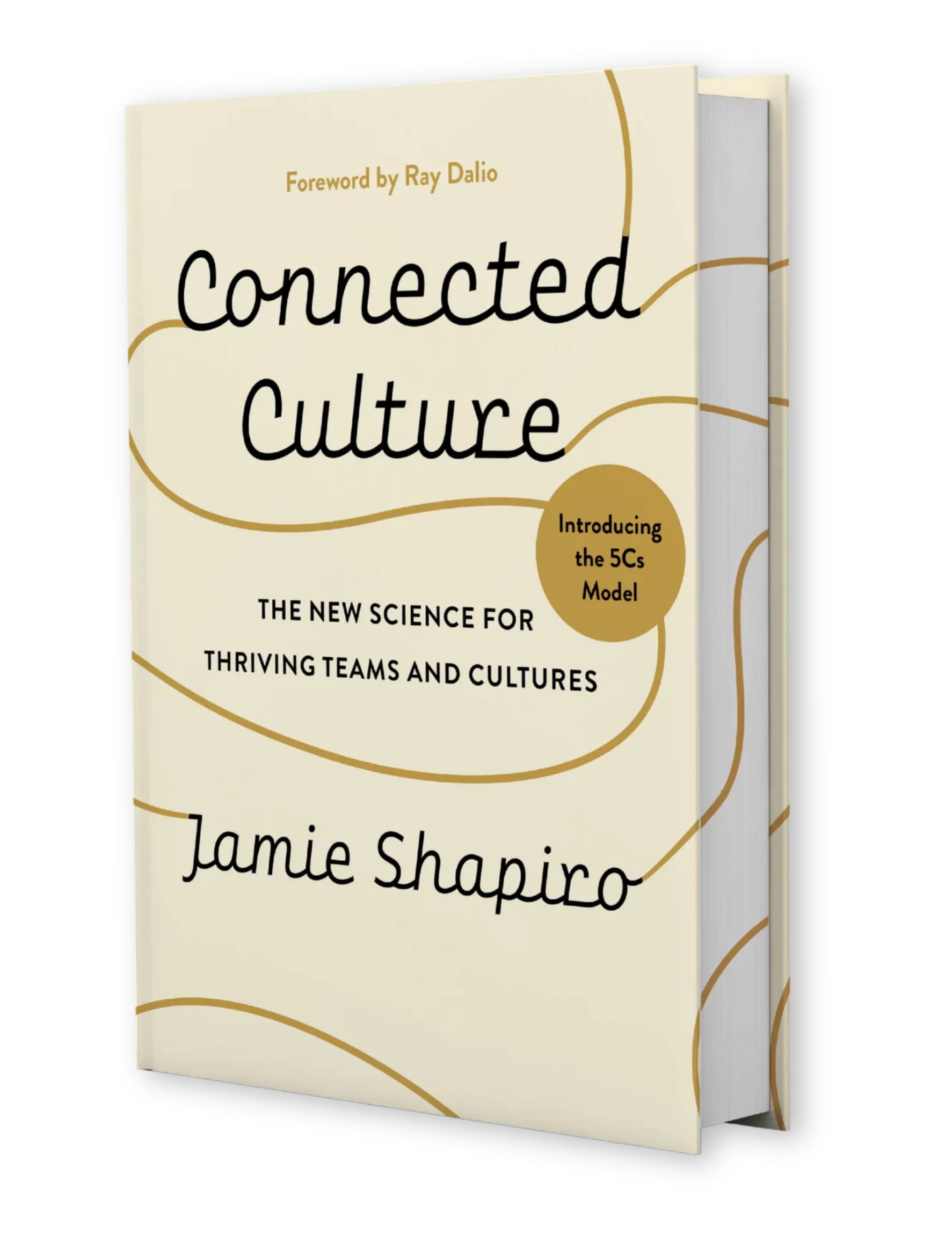
Connected Culture

Discover the research behind the 5Cs Model and learn how leaders can build thriving teams and healthier organizational cultures through evidence-based practices.

Free White Paper

The Science Behind Thriving Organizational Cultures

Learn how the research-backed 5Cs Framework helps leaders measure, understand, and improve the human systems that drive organizational performance.

Explore Related Posts

A Panicked Leader Makes a Panicked Team

The “Bad Habit” That Makes Smart People Fail as Leaders

Positively Energizing Leadership

Excellence vs. Perfection: A Psychologist Explains

The Hidden Job of Every Leader: Managing Energy, Not Just Performance

You Don’t Have a Time Problem. You Have a Decision Problem.

You’re in!

#1 New Release — Workplace Behavior & Business Teams

Get the First Chapter FREE

Discover the research-backed principles behind thriving teams and organizational cultures—and get an introduction to the 5Cs Model before you read the full book.

By downloading this chapter, you’ll also receive occasional leadership insights and research updates from Connected EC. You may unsubscribe at any time.